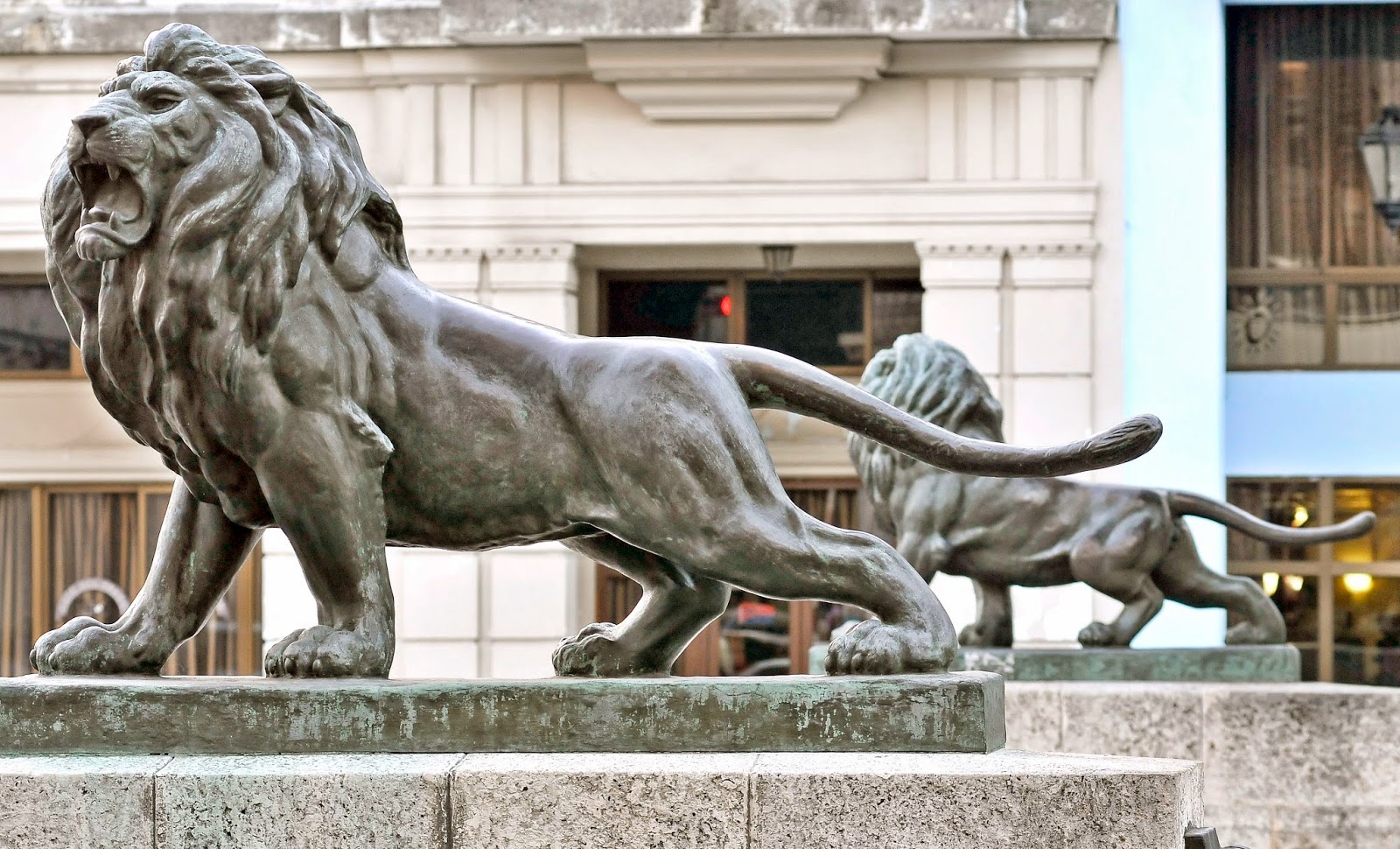
The Paseo del Prado in Havana is more than just a promenade; it is the soul of the city’s neoclassical elegance. Guarding the entrance to this historic boulevard are its most iconic residents: the Lions of the Prado. For decades, these bronze figures have been the backdrop of countless photographs and the silent witnesses to Cuba’s shifting political tides.
However, behind their majestic presence lies a tangled web of historical misinformation. While major institutions—including the U.S. Library of Congress—continue to host inaccurate records regarding their origin, a closer look at the foundry marks and family lineages reveals a different story. It is a story of French artistry, Cuban craftsmanship, and a family legacy that stretches from the streets of Havana to the architectural landscape of modern-day Miami.
The Sculpture’s Genesis: Jean Puiforcat and Juan Comas Masique
To understand the lions, one must first look to the source of their design. Contrary to some local legends that suggest they were modeled after lions in Madrid, the Cuban lions are deeply rooted in the French tradition.
The primary sculptor credited with the original model used for the casting was Jean Puiforcat (1897-1945) a world renowned French silversmith and sculptor. The lions were cast using the bronze from decommissioned cannons that once defended Havana from pirates and invaders. This “swords-to-plowshares” transformation turned weapons of war into symbols of civic pride.
The Missing Link: The Casters and the Cuban Workshop
While the French designs provided the blueprint, the physical creation of the lions happened in Havana, and this is where the historical record often fails. The casting process involved a collaboration between European experts and local masters.
- Jean Puiforcat: A French master whose name is often synonymous with the high-quality bronze work of the era. His influence ensured the lions possessed the anatomical precision and “living” quality seen in European capitals.
- Juan Comas Masique: A pivotal figure in the sculpturing of these statues with Puiforcat. As a master caster and artisan, Comas Masique represented the bridge between European artistic concepts and Cuban industrial capability. His hands-on involvement in the foundry was essential to the durability and detail of the bronze.
Juan Comas Masique was born in Bolondron, Matanzas, Cuba and as a young man moved to Camaguey, Cuba and then to Preston where he worked as a bronze caster for the the massive foundry and machine shop complex operated by the United Fruit Company.
- The “Third Casters” – Osvaldo Lobale: Often omitted from general internet archives and institutional records, Lobale worked as a valuable assistant to Comas Masique. Lobale was as a critical technical force in the cooling and finishing processes of the massive bronze pours. Another caster involved in the process was Emilio Vizcón Hernández who is also omitted in many posts and who wa
Correcting the Record: The Library of Congress and Internet Fallacies
If you search the digital archives of the Library of Congress or browse mainstream historical travelogues today, you will frequently find the Prado Lions attributed incorrectly. Some records suggest they were imported whole from Europe, while others misdate their installation or credit architects who were merely responsible for the urban layout of the promenade, not the sculptures themselves.
These inaccuracies have been “grandfathered” into the digital age. Because the Library of Congress is seen as an ultimate authority, its errors are echoed across thousands of websites, creating a feedback loop of misinformation. The truth is preserved not in these digital databases, but in the physical bronze inscriptions and the generational knowledge of the families involved.
A Living Heritage: From Juan Comas Masique to Orlando Comas
The artistic lineage of the Prado Lions did not end when the bronze cooled. The craftsmanship of Juan Comas Masique lives on through his descendants, proving that the “eye for design” is often a hereditary gift.
Today, this legacy is carried forward by Orlando Comas, a prominent landscape architect based in Miami, Florida. As the grandson of Juan Comas Masique, Orlando’s work in creating harmony between nature and the built environment reflects the same dedication to public space that his grandfather showed on the Paseo del Prado.
While the lions remain in Havana, their “artistic DNA” resides in Miami. This connection serves as a poignant reminder that while history can be misrecorded in books and archives, it remains vibrantly alive in the hands of those who continue the craft.
 Landscape Architecture